Is Girl in Red Queer? Girl in Red's Queer Identity Confirmed
Introduction
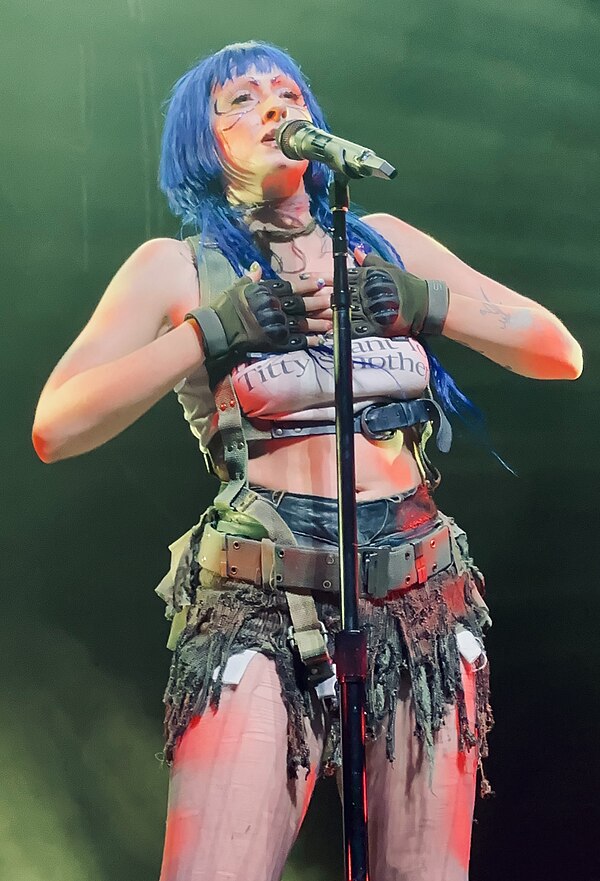
Girl in Red, the stage name of Marie Ulven, is a Norwegian singer-songwriter who has become an international music sensation while openly identifying as queer and lesbian. Ulven’s music is explicitly centered around LGBTQ+ themes, particularly her experiences as a queer woman and her attraction to women. Her breakthrough hit “i’m in love with a straight girl” brought mainstream attention to her deeply personal songwriting, which frequently explores queer love, longing, and identity. Girl in Red has become an important voice in contemporary music for LGBTQ+ representation, and her openness about her queer identity has made her a role model for many young LGBTQ+ people globally.
Ulven came of age as an artist during a time of increasing visibility for LGBTQ+ musicians, and she has taken full advantage of this cultural moment to create music that centers queer experiences. Her willingness to write explicitly about her attractions to women and to explore queer themes in her music has resonated deeply with LGBTQ+ audiences. Girl in Red’s authenticity and vulnerability in her songwriting have made her one of the most important new voices in music for LGBTQ+ representation.
Girl in Red’s Public Statements About Their Sexuality
Marie Ulven, known professionally as Girl in Red, has been consistently open about her queer identity and her attraction to women since the beginning of her career. In interviews and on social media, she has discussed her identity with honesty and pride. Ulven has stated in multiple interviews that being queer is a central part of her identity and that she wanted to create music that reflected this fundamental aspect of who she is.
In interviews, Ulven has discussed her journey of coming out and understanding her sexuality. She has talked about growing up and gradually recognizing her attractions to women, and about the joy and relief that came with accepting this part of herself. Ulven has emphasized that she wanted to create music that other queer people, particularly young queer women, could relate to and feel seen by. Her songwriting is deeply personal and directly addresses her experiences as a queer woman navigating love and identity.
Ulven has also spoken in interviews about the importance of representation in music and media. She has discussed how she didn’t see many openly queer female musicians when she was growing up, and how she wanted to create the kind of music and representation that she wished had existed for her. This commitment to visibility and representation has become a defining aspect of Girl in Red’s artistic mission.
Rumors and Public Speculation
There has been minimal speculation about Girl in Red’s sexuality, as Ulven has been openly queer from the beginning of her public career. Rather than her identity being something that emerged or was revealed over time, it has always been central to her artistic identity. This approach has meant that there is no narrative of “coming out” or public revelation, but rather a consistent presentation of herself as a queer artist.
The mainstream visibility of Girl in Red increased dramatically with the success of “i’m in love with a straight girl,” a song that explicitly addresses the experience of being a queer woman in love with someone who is not available or who does not share the same orientation. The song’s popularity introduced millions of listeners to Girl in Red’s music and to her unapologetically queer artistic perspective. Rather than this visibility creating speculation, it served to affirm what was already known about her identity.
Personal Life and Relationships
Marie Ulven has been relatively private about specific romantic relationships while remaining openly queer in her public identity. Her songwriting, however, provides insight into her emotional and romantic experiences as a queer woman. Many of her songs explore themes of love, desire, and heartbreak in the context of queer relationships and experiences. Her willingness to write about these experiences in explicit detail has made her music a form of emotional autobiography.
In various interviews, Ulven has discussed how her music is deeply personal and drawn from her lived experiences. She has talked about writing from a place of emotional honesty, even when it means exploring painful or vulnerable experiences. This approach to songwriting has made her music resonate deeply with listeners who see their own experiences reflected in her lyrics.
Ulven has used her platform to advocate for LGBTQ+ visibility in music and to support other queer artists. She has spoken about the importance of creating space for queer voices in the music industry and has been active in supporting LGBTQ+ causes and initiatives. Her commitment to representation extends beyond her personal music to her active advocacy for the LGBTQ+ community.
Conclusion
Girl in Red’s queer identity is confirmed through her own consistent public identification as queer and through her music, which centers explicitly on queer experiences and relationships. Marie Ulven has built her entire artistic career around her queer identity, creating music that speaks directly to queer experiences and that has become a source of identification and validation for LGBTQ+ listeners worldwide. Her openness about her identity and her commitment to creating art that centers queer voices has made her an important figure in contemporary music.
Girl in Red’s success demonstrates the demand for and importance of openly LGBTQ+ artists in mainstream music. Her willingness to create music that is unambiguously queer and to center her own identity in her art has made her a role model for young LGBTQ+ people and has contributed significantly to LGBTQ+ visibility in the music industry. As she continues her career, Girl in Red remains committed to authentic representation and to using her platform for advocacy and visibility.
Sources
- Interview Magazine: Girl in Red interview (2020)
- The Guardian: Girl in Red profile (2021)
- Pitchfork: Marie Ulven interview (2020)
- NPR Music: Girl in Red feature (2021)