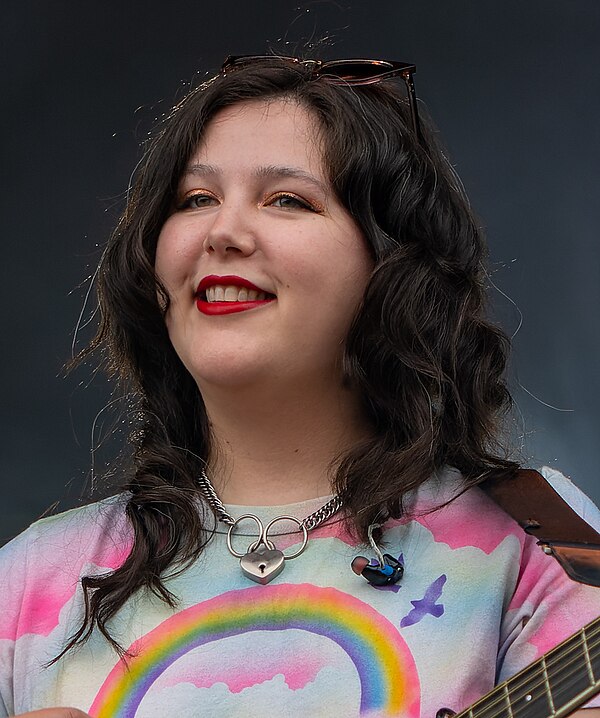
Is Lucy Dacus Queer? Lucy Dacus' Queer Identity Confirmed
Introduction
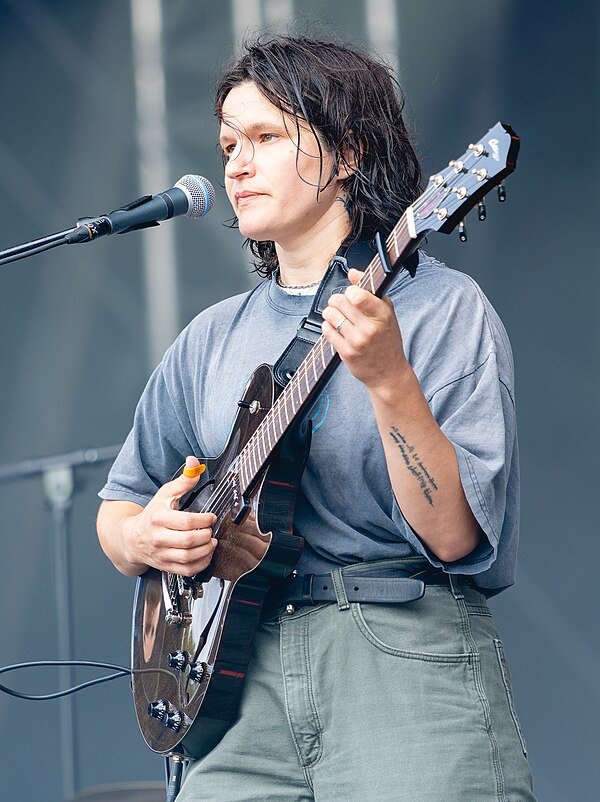
Lucy Dacus is an acclaimed singer-songwriter from Virginia whose music has touched audiences with its raw emotional honesty and intricate storytelling. Best known for albums like “Home Video” and “Forever Politics,” Dacus has established herself as one of contemporary indie folk’s most important voices. In 2021, Dacus publicly confirmed her queer identity, a significant moment for a musician whose fanbase and artistic community were already deeply invested in her work. Her confirmation of queerness was met with overwhelming support from fans and peers alike, and it added important context to her deeply personal songwriting that often explores identity, relationships, and self-discovery.
Dacus’s queer identity has become an increasingly visible aspect of her public persona since her 2021 confirmation. Her membership in the supergroup boygenius—alongside Phoebe Bridgers and Julien Baker, both of whom are also queer—has further cemented her position as part of a new generation of openly queer artists reshaping the landscape of indie music. Dacus’s openness about her queerness reflects a broader cultural shift toward authenticity and visibility in the music industry, particularly among artists working in folk and indie genres that have historically centered personal, introspective storytelling.
Lucy Dacus’ Public Statements About Their Sexuality
Lucy Dacus confirmed her queer identity in 2021 through interviews and public statements, describing herself as queer and exploring what that identity means within the context of her personal life and artistic practice. In interviews following her confirmation, Dacus has spoken thoughtfully about her journey of self-discovery and her relationship to her queer identity. She has emphasized that her queerness is integral to who she is as a person and an artist, and that living authentically has positively impacted both her personal wellbeing and her creative work.
Dacus has discussed in interviews how her queerness informs her songwriting, allowing her to access emotional depths and truths that are central to her artistic vision. She has spoken about the importance of representation and visibility for queer people, particularly young people questioning their own identities. In conversations with journalists and fans, Dacus has demonstrated a thoughtful, articulate approach to discussing her identity—one that goes beyond simple acknowledgment to explore the complexities of living as a queer person in contemporary society. Her willingness to discuss her queerness has been embraced by her fanbase, many of whom have found validation and representation in her music.
Rumors and Public Speculation
Before Dacus publicly confirmed her queer identity in 2021, there was relatively minimal public speculation about her sexuality, though some devoted fans and online communities may have discussed or theorized about her personal life. Her confirmation was widely understood within her fanbase as a natural and authentic expression of who she had always been, rather than a shocking revelation. The reception to her coming out was predominantly positive and supportive, reflecting the progressive nature of her audience and peers within the indie music community.
Dacus’s approach to discussing her identity demonstrates how the landscape around queer visibility has shifted. Rather than being forced out or having her identity outed against her will, Dacus was able to confirm her queerness on her own terms, in her own time, and in a context where she could control the narrative. This represents a significant difference from earlier generations of queer artists who were less afforded such agency.
Personal Life and Relationships
Lucy Dacus’s personal life has reflected her queer identity, including relationships with women that have been important to her journey of self-discovery and personal growth. While Dacus maintains appropriate boundaries around her private life, she has been open enough about her personal experiences to confirm the realness of her queer identity and to demonstrate that queerness is not theoretical or abstract in her life, but lived and embodied. Her willingness to discuss her personal experiences has allowed her artistic work to resonate authentically with queer listeners seeking validation and representation.
As a member of boygenius alongside Phoebe Bridgers and Julien Baker—both of whom are also openly queer—Dacus is part of a significant creative community of queer women in indie music. The collaboration itself has become an important symbol of queer artistic solidarity and creative excellence. The three artists have spoken about the importance of their friendship and creative partnership, suggesting that shared queer identity has fostered deep understanding and mutual support within their working relationships.
Conclusion
Lucy Dacus represents an important voice in contemporary indie music, and her confirmed queer identity is integral to her public persona and artistic legacy. Her 2021 confirmation was a significant moment not only for Dacus herself but for the broader landscape of queer representation in indie and folk music. Through her music, interviews, and public presence, Dacus demonstrates that queerness and artistic excellence are deeply intertwined in her work.
Dacus’s membership in boygenius alongside other openly queer artists has created a powerful cultural moment where queer women are centered in important creative spaces and receiving recognition for their artistic contributions. Her example continues to inspire younger LGBTQ+ musicians and listeners to embrace authenticity and to seek and create art that reflects their true selves. Lucy Dacus’s journey of publicly confirming her queer identity and continuing to create meaningful music has made her an important figure in contemporary queer culture.
Sources
- Lucy Dacus interviews about her queer identity in music publications
- Articles about boygenius and its members’ identities
- Statements by Dacus in podcast interviews and public appearances