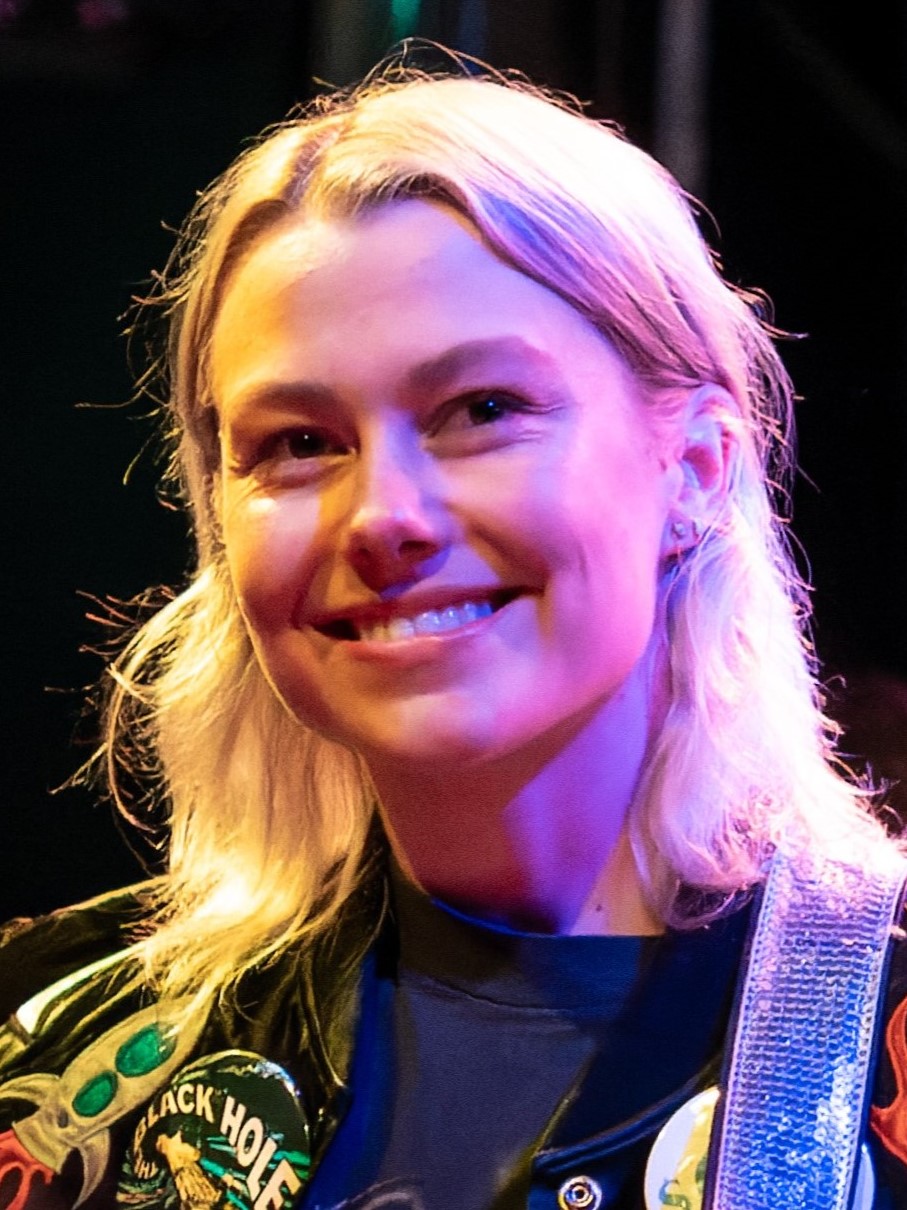
Is Phoebe Bridgers Queer? Phoebe Bridgers' Queer Identity Confirmed
Introduction
Phoebe Bridgers has emerged as one of the most important voices in contemporary indie music, and her identity as a queer artist has been central to her public persona and artistic expression. The singer-songwriter, known for her introspective lyrics and haunting melodies on albums like “Punisher” and “Copycat Killer,” has been openly queer throughout her career. Her music frequently explores themes of identity, relationships, and self-discovery, with her queerness informing much of her artistic output. Bridgers has become a symbol of queer representation in indie music, offering authenticity and vulnerability that resonates deeply with her largely LGBTQ+ fanbase.
Bridgers’ approach to her queer identity is notably integrated into her artistic practice and public presence. Rather than treating her sexuality as separate from her music, she weaves it naturally into her interviews, song lyrics, and public appearances. This integration has made her an important figure for queer listeners seeking representation from artists they admire. Her willingness to be openly queer in an industry still grappling with inclusivity has contributed to creating space for other queer artists in indie and alternative music.
Phoebe Bridgers’ Public Statements About Their Sexuality
Phoebe Bridgers has discussed her queer identity in various interviews with music publications and media outlets. She has spoken openly about being queer without feeling the need to apply specific labels to her sexuality, emphasizing instead the fluid and complex nature of sexual and romantic attraction. In interviews, Bridgers has described queer identity as encompassing a broader spectrum of experiences and expressions than traditional categories allow. Her comfort with discussing her sexuality reflects a generation of LGBTQ+ individuals who resist rigid categorization.
In conversations with journalists, Bridgers has highlighted the importance of queer visibility in music and entertainment. She has spoken about how seeing queer artists helped her understand and accept her own identity, and she expresses commitment to providing that same visibility for younger listeners. Bridgers has also discussed how her queerness influences her songwriting and artistic choices, creating music that speaks authentically to queer experiences and emotions. Her interviews demonstrate a thoughtful approach to discussing identity that goes beyond simple acknowledgment into deeper exploration of what queerness means in her life.
Rumors and Public Speculation
Before Bridgers publicly identified as queer, there was limited public speculation about her sexuality—a testament to the changing landscape of celebrity culture where artists increasingly have agency in defining their own narratives. When Bridgers did discuss her queer identity, it was received as a natural continuation of her artistic authenticity rather than shocking revelation. This smooth public reception reflects the cultural shifts in how queer identity is understood and accepted, particularly within alternative music communities.
The relative absence of invasive speculation about Bridgers’ sexuality also reflects her fanbase, which tends to be progressive and LGBTQ+-friendly. Her audience has generally approached her identity with respect and understanding, focusing more on her music and artistic contributions than on sensationalist aspects of her personal life.
Personal Life and Relationships
Phoebe Bridgers is currently engaged to actor Paul Mescal, following a relationship that became public in 2022. The two have been photographed together at various events and have supported each other’s professional endeavors. Their relationship has been characterized as a supportive partnership between two prominent figures in entertainment. While Bridgers has maintained relative privacy about relationship details, her engagement to Mescal represents an important chapter in her personal life.
Prior to her relationship with Mescal, Bridgers’ personal history has included romantic connections that inform her understanding of herself as a queer person. Her queerness encompasses her capacity for romantic and emotional connection across the gender spectrum, and her personal experiences have contributed to the authentic emotional depth present in her songwriting. Bridgers has spoken about how personal relationships, both past and present, influence her creative work, and her queer identity is inseparable from this creative process.
Conclusion
Phoebe Bridgers represents an important model of queer representation in contemporary music. Her open identification as queer, combined with her artistic excellence and willingness to integrate queerness into her public persona, has made her a significant figure for LGBTQ+ listeners and allies. Bridgers demonstrates that being queer and achieving mainstream success in music are not contradictory goals, but rather complementary aspects of an authentic artistic identity.
Through her music, interviews, and public presence, Bridgers continues to champion queer visibility and authenticity in the entertainment industry. Her engagement to Paul Mescal reflects her personal happiness and the diverse ways that queer people experience love and relationships. Bridgers’ career trajectory shows that queer identity need not be hidden or compartmentalized in pursuit of artistic success—instead, authenticity and visibility can become sources of creative strength and cultural impact.
Sources
- Interviews with Phoebe Bridgers in music and entertainment publications
- Articles about Phoebe Bridgers’ personal life and relationships
- Statements made by Bridgers in podcast interviews and social media