Is Sufjan Stevens Gay? Sufjan Stevens's Gay Identity Explained
Introduction
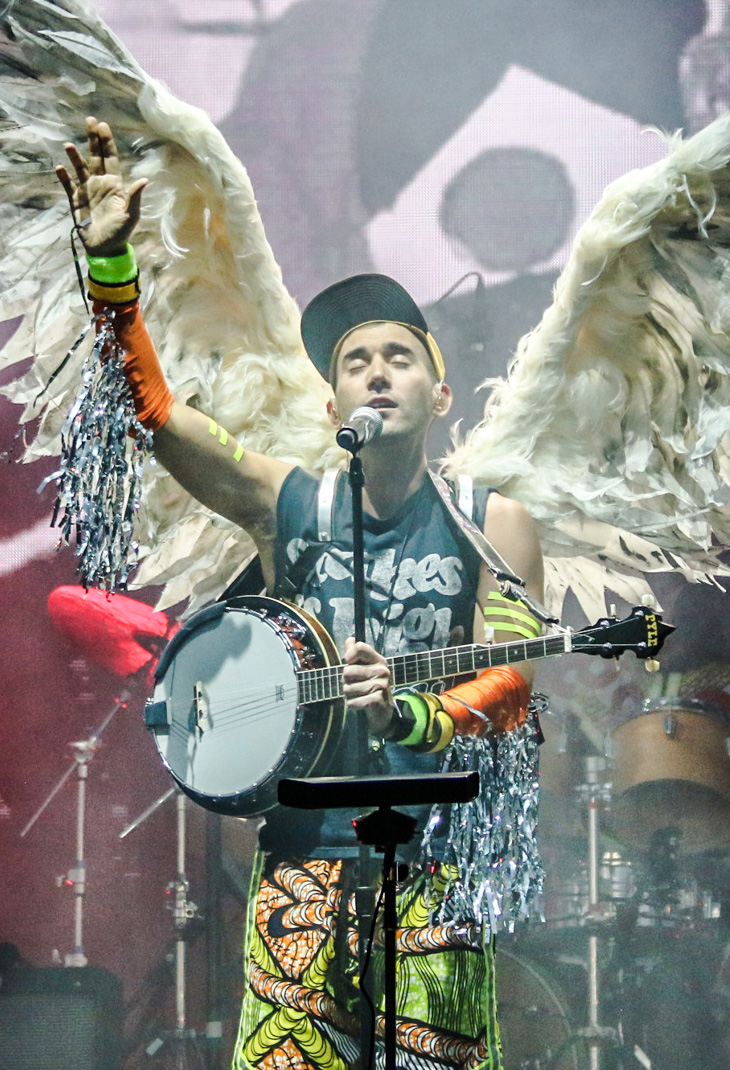
Sufjan Stevens, the acclaimed independent musician and songwriter known for his intricate compositions, literary lyrics, and critically acclaimed albums, publicly identified as a gay man through his long-term partnership and personal life. As one of the most respected figures in indie and alternative music, Sufjan Stevens’s openness about his sexuality has contributed significantly to LGBTQ+ representation in the music industry. His music, which often explores themes of identity, spirituality, and personal experience, has resonated with audiences worldwide and has provided meaningful representation for LGBTQ+ individuals seeking authentic voices in contemporary music.
Sufjan Stevens’s identity as a gay man has become increasingly visible and acknowledged through his public life and work. Rather than making a formal announcement in the traditional sense, his openness about his sexuality through his relationships and personal life has provided authentic representation. His continued evolution as an artist and public figure has demonstrated that LGBTQ+ individuals can achieve critical acclaim and cultural significance while living authentically.
Sufjan Stevens’s Public Statements About Their Sexuality
Sufjan Stevens did not make a singular formal announcement about his sexuality in the manner of many celebrities. Instead, his identity as a gay man became evident through his public life, particularly through his long-term relationship with Evan Kespry, an artist and designer. The couple’s relationship became publicly known, and Stevens has since been open about being a gay man in various interviews and public contexts.
In interviews and public appearances, Sufjan Stevens has discussed his personal experiences and identity in thoughtful and reflective ways. He has spoken about how his spirituality, artistic practice, and personal relationships inform each other. While Stevens maintains privacy about certain aspects of his personal life, he has been clear about his identity and has integrated this understanding into his public persona and artistic work.
Stevens has also been vocal about the intersection of sexuality, spirituality, and identity in his work and life. He has discussed how his faith and his sexuality have coexisted and evolved throughout his life. His openness about these multifaceted aspects of his identity has provided nuanced representation for LGBTQ+ individuals who navigate complex relationships with spirituality, family, and cultural identity.
Rumors and Public Speculation
Throughout much of Sufjan Stevens’s early career, there was speculation about his personal life and sexuality. However, Stevens had maintained a relatively private approach to his personal affairs, choosing to let his music speak for itself. The introspective and emotionally complex nature of his work led many listeners and observers to speculate about the personal experiences that informed his artistry.
When Stevens’s long-term relationship with Evan Kespry became more publicly visible, it provided clarity about his identity. The couple’s visibility together at public events and in interviews helped establish Stevens’s identity as a gay man in public consciousness. Since then, his openness about his sexuality has been integrated into how he is understood as an artist and public figure.
Personal Life and Relationships
Sufjan Stevens has been in a long-term relationship with Evan Kespry, a talented artist and designer. The couple has built a life together and have become increasingly visible as a partnership. Stevens has spoken in interviews about his relationship with Kespry and has acknowledged the importance of having a supportive and loving partner in his life. The couple’s commitment to each other has been a meaningful foundation for Stevens’s personal happiness and creative work.
Stevens and Kespry have collaborated artistically on various projects, demonstrating the intersection of their creative practices. Their relationship has provided visibility for same-sex partnerships within the indie music and art communities. Through their openness about their relationship, they have contributed to greater representation and normalization of LGBTQ+ partnerships in artistic and cultural spaces.
Sufjan Stevens has also spoken about how his personal experiences, including his relationships and identity, inform his musical work. He has discussed the ways in which his art reflects his lived experiences and has emphasized the importance of authenticity in creative expression. His willingness to draw from his personal life, including his identity as a gay man, has enriched his artistic output and provided meaningful representation for listeners.
Conclusion
Sufjan Stevens’s identity as a gay man and his openness about his sexuality have contributed significantly to LGBTQ+ representation in indie and alternative music. His journey as an openly gay artist has demonstrated that authenticity and artistic excellence can coexist and that LGBTQ+ individuals can achieve critical acclaim and cultural significance. Through his music, relationships, and public life, Stevens has provided meaningful representation for LGBTQ+ individuals in contemporary music culture.
Sufjan Stevens continues to be an influential and respected figure in music and an important voice for LGBTQ+ representation in artistic communities. His work as a musician and artist, combined with his visible gay identity, has contributed to greater acceptance and understanding of LGBTQ+ individuals in the music industry and beyond. As he continues his artistic practice, Stevens remains a testament to the power of authenticity and the importance of representation in all creative fields.
Sources
- Sufjan Stevens Official Interviews and Public Statements
- Music Industry Coverage of LGBTQ+ Musicians and Artists
- Entertainment Publications Documenting Contemporary Music and Identity