Is Tilda Swinton Queer? Tilda Swinton's Queer Identity Confirmed
Introduction
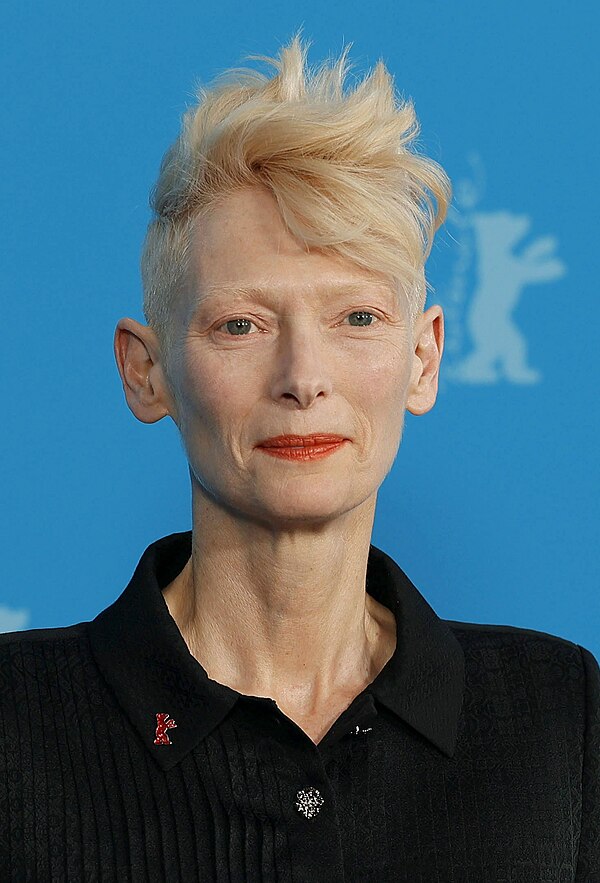
Tilda Swinton is a renowned British actress and artistic collaborator known for her distinctive appearance, experimental approach to cinema, and roles in acclaimed films directed by auteurs like Derek Jarman, Sally Potter, and Luca Guadagnino. Beyond her accomplishments as a performer and collaborator, Swinton has been an important figure in LGBTQ+ representation, particularly as a queer woman who has spoken openly about her fluid sexuality. Swinton’s approach to her identity has been notably sophisticated and unconventional, rejecting traditional categories and emphasizing the complexity and fluidity of human sexuality and romantic attraction. Her willingness to discuss her queer identity and her relationships with both men and women has contributed to expanded understandings of queerness and sexual fluidity in mainstream discourse.
Swinton’s identity as a queer woman has been integrated into her artistic practice and public persona throughout her career. Rather than conforming to conventional narratives about sexuality, Swinton has modeled an approach to identity that emphasizes authenticity, intellectual rigor, and resistance to simplistic categorization. Her conversations about her sexuality reflect a generation of intellectuals and artists who engage with queer identity not as a fixed category but as an ongoing practice of authentic self-expression and relational connection.
Tilda Swinton’s Public Statements About Their Sexuality
Tilda Swinton has spoken openly and thoughtfully about her queer identity in various interviews throughout her career. She has discussed her sexuality in ways that emphasize its fluid and complex nature, resisting the impulse to pin it down to simple definitions. In interviews with journalists and critics, Swinton has explained that her attractions and romantic connections have extended across the gender spectrum, and that she has experienced significant romantic and emotional connections with both men and women. Her articulate and philosophical approach to discussing sexuality has contributed to more nuanced conversations about queer identity in mainstream media.
Swinton has emphasized in interviews that she does not feel confined by traditional sexual categories and that her queerness encompasses a broader understanding of human connection and attraction. She has spoken about the importance of authenticity and living according to one’s truth, regardless of how that truth might be perceived or categorized by others. In conversations with critics and interviewers, Swinton has demonstrated a sophisticated understanding of queer theory and identity politics, contributing to intellectual conversations about the nature of sexuality and relationships.
Rumors and Public Speculation
Tilda Swinton’s openness about her queer identity and her relationships with both men and women meant that there was relatively minimal space for invasive speculation or misrepresentation of her personal life. Her willingness to discuss her sexuality directly in interviews allowed her to control her narrative and to prevent others from defining her identity based on limited information. The literary and artistic communities in which Swinton has primarily worked have generally been accepting and progressive regarding LGBTQ+ identities, contributing to a relatively supportive context for her openness.
Swinton’s approach to discussing her identity reflects a broader cultural shift toward recognizing and validating diverse sexualities and relationship structures. Her example demonstrates that it is possible to live openly as a queer person while maintaining intellectual rigor and artistic integrity.
Personal Life and Relationships
Tilda Swinton has been in a long-term relationship with artist Sandro Kopp, with whom she has had children and maintained a significant life partnership. Beyond this primary relationship, Swinton has spoken in interviews about romantic and emotional connections with women, describing experiences that demonstrate the real, embodied nature of her queer identity. Her willingness to discuss relationships with both men and women has provided visibility for people whose sexuality encompasses attraction across the gender spectrum.
Swinton’s personal life reflects her philosophical approach to identity and relationships—one that emphasizes authenticity, emotional honesty, and the refusal to compartmentalize or hide aspects of herself for the sake of social conformity. Her relationships, both the prominent and publicly documented partnership with Kopp and her connections with women, have been understood by those close to her as expressions of her genuine self and her capacity for authentic human connection.
Conclusion
Tilda Swinton stands as an important figure in LGBTQ+ representation as a queer woman who has lived and spoken openly about her fluid sexuality throughout her artistic career. Her confirmation of her queer identity through interviews and public statements, combined with her relationships with both men and women, demonstrates the reality of her queerness as lived experience. Through her films, artistic collaborations, and public conversations, Swinton has contributed to expanded and more nuanced understandings of queer identity and sexuality.
Swinton’s legacy extends beyond her distinguished career as an actress and artistic collaborator to include her work as an intellectual and cultural figure who has championed authenticity, artistic innovation, and resistance to restrictive categorization. Her example continues to inspire people to embrace their authentic identities and to seek and create art and relationships that reflect their true selves. Tilda Swinton’s openness about her queer identity remains an important contribution to LGBTQ+ representation in cinema and culture.
Sources
- Interviews with Tilda Swinton in film and arts publications
- Articles about Tilda Swinton’s personal life and relationships
- Statements by Swinton about her identity in interviews and public appearances