Is Freddie Mercury Bisexual? Freddie Mercury's Bisexual Identity Explained
Introduction
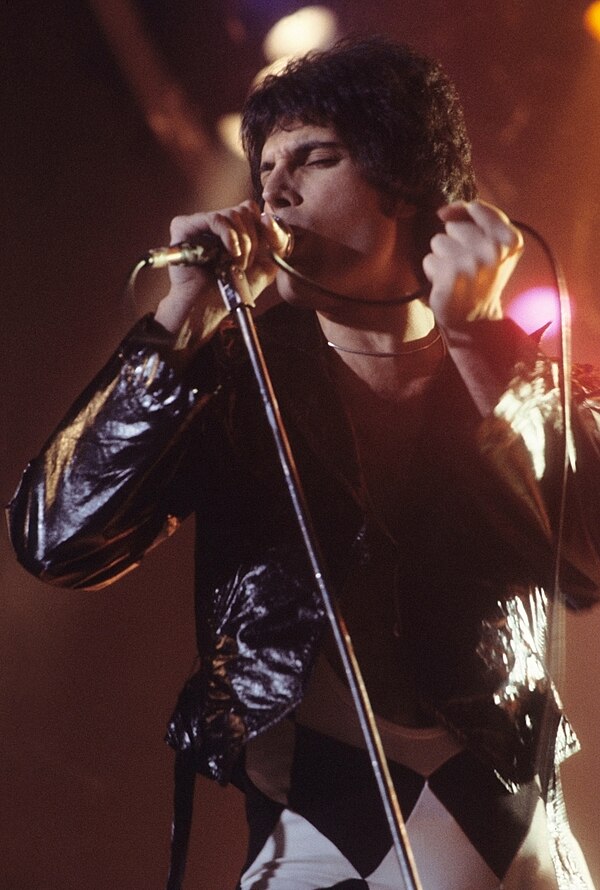
Freddie Mercury was the legendary frontman of the rock band Queen, known for his extraordinary vocal range, flamboyant stage presence, and iconic songs including “Bohemian Rhapsody” and “Another One Bites the Dust.” Beyond his unparalleled musical achievements, Mercury’s personal life and sexuality have been subjects of significant cultural discussion and analysis. Mercury identified as bisexual, having had relationships with both men and women throughout his life. His sexuality and the circumstances surrounding his death from AIDS-related complications have contributed to his complex legacy as both a musical icon and a significant figure in LGBTQ+ cultural history.
Mercury’s refusal to conform to conventional expectations regarding sexuality and gender expression contributed to his distinctive artistic persona and remains an important aspect of his enduring cultural significance. His life and career offer a compelling example of how personal authenticity and artistic genius intersected in the work of one of rock music’s most influential figures.
Freddie Mercury’s Public Statements About Their Sexuality
Freddie Mercury was not publicly open about his bisexual identity during much of his career, maintaining privacy regarding his personal romantic relationships and sexual orientation for significant portions of his life. However, Mercury’s close associates and band members were aware of his bisexuality and his various romantic relationships with both men and women. The musician’s approach to his sexuality reflected the cultural context of his career, when public discussion of LGBTQ+ identities by major celebrities was less common and carried greater professional and social risks.
In his later years, particularly following his diagnosis with AIDS, Mercury became more open with close friends and associates about his sexual orientation and his long-term relationship with his partner Mary Austin, to whom he was devoted, as well as his subsequent relationships with men. Mercury’s later partner, Jim Hutton, was with him until his death in 1991. Through his personal relationships and the people closest to him, Mercury’s bisexuality and his capacity for deep love and commitment were evident, even if he did not make formal public declarations about his sexual orientation during his lifetime.
Mercury’s legacy has been significantly shaped by posthumous discussions of his sexuality and personal life, with biographies and documentaries exploring the connections between his personal identity and his artistic expression and innovation.
Rumors and Public Speculation
During much of his career, there was considerable speculation in tabloid media and entertainment circles about Freddie Mercury’s personal life, sexuality, and romantic relationships. The flamboyant nature of his stage presence and his gender-nonconforming presentation in performance and fashion contributed to speculation about his sexuality. However, Mercury maintained relative privacy regarding these aspects of his life, and much of the speculation remained in gossip and tabloid media rather than in mainstream public discourse or formal acknowledgment.
Following his death and the subsequent cultural reckonings with AIDS and LGBTQ+ history in the 1990s and 2000s, public understanding of Mercury’s sexuality evolved significantly. Biographies and documentaries examining his life and career have contributed to greater public awareness and discussion of his bisexual identity and his significant relationships with both women and men. Mercury’s story has become central to discussions about LGBTQ+ representation in rock music and the historical impact of the AIDS crisis on the entertainment industry.
Personal Life and Relationships
Freddie Mercury had a long and significant relationship with Mary Austin, a woman he met early in his career and to whom he remained deeply devoted throughout his life. Mercury and Austin shared a profound emotional and spiritual connection, and Mercury referred to her as the love of his life. The nature of their relationship and Mercury’s simultaneous romantic involvement with men demonstrates the complexity of his bisexual identity and his capacity for love across gender boundaries.
Following his relationship with Austin, Mercury had a long-term committed relationship with Jim Hutton, a hairdresser who was with him during the final years of his life. Hutton and Mercury’s relationship was significant and committed, and Hutton was with Mercury as he died of AIDS-related complications on November 24, 1991. Mercury’s relationships with both Austin and Hutton, as well as other romantic partners, demonstrated his genuine capacity for deep emotional connection and commitment with people of different genders.
Mercury’s personal life was marked by deep emotional complexity, artistic passion, and a refusal to conform to conventional expectations about sexuality and gender expression. His approach to his personal relationships reflected his broader artistic sensibility, which emphasized authenticity, emotional intensity, and transcendence of conventional boundaries.
Conclusion
Freddie Mercury’s bisexual identity, though not extensively publicized during his lifetime, remains an important aspect of his complex and significant cultural legacy. His relationships with both men and women, particularly his deep devotion to Mary Austin and his long-term partnership with Jim Hutton, demonstrate the genuine and multifaceted nature of his bisexuality and his capacity for profound emotional connection and commitment across gender boundaries.
Mercury’s life and legacy continue to influence discussions about sexuality, identity, and artistic expression within rock music and popular culture more broadly. His refusal to conform to conventional expectations about sexuality and gender expression contributed to his distinctive artistic persona and continues to resonate with audiences decades after his death. Mercury’s enduring significance as a musical and cultural icon is inseparable from his identity as a bisexual man who lived authentically according to his own values and artistic vision.
Sources
- Biographies of Freddie Mercury documenting his personal life and relationships
- Documentaries and interviews with people close to Freddie Mercury discussing his sexuality
- Music historical analyses examining Freddie Mercury’s cultural impact and legacy