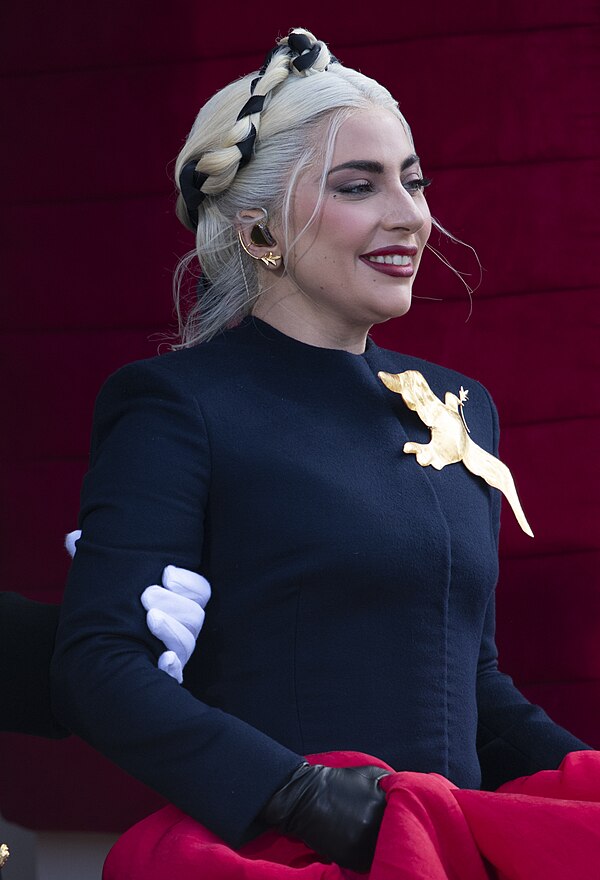
Is Lady Gaga Bisexual? Lady Gaga's Bisexual Identity Explained
Introduction
Lady Gaga, born Stefani Germanotta, is one of the most influential music artists of the 21st century, known for her innovative approach to pop music, theatrical performances, and artistic vision. With multiple Grammy Awards, chart-topping albums, and iconic performances that have captivated audiences worldwide, Gaga has established herself as a cultural phenomenon and creative powerhouse. Beyond her musical and theatrical accomplishments, Lady Gaga is widely recognized as an openly bisexual artist and vocal advocate for LGBTQ+ rights, using her immense platform to promote acceptance, equality, and visibility for queer individuals across the globe.
Gaga’s public discussion of her bisexual identity and her fierce advocacy for LGBTQ+ communities have made her an iconic figure in contemporary popular culture and an important ally to LGBTQ+ movements worldwide. Her willingness to center LGBTQ+ narratives and concerns in her work, her music videos, and her public statements has contributed significantly to mainstream conversations around queer identity and acceptance. Through her artistic work and activism, Gaga has demonstrated that popular success and LGBTQ+ advocacy can be deeply intertwined.
Lady Gaga’s Public Statements About Their Sexuality
Lady Gaga has publicly discussed her bisexual identity in various interviews and public statements throughout her career, speaking openly about her attractions to both men and women. In 2015, she discussed her sexuality during interviews, explaining that she had fallen in love with women and men, and that bisexuality was an authentic part of her identity. Gaga has presented her bisexual orientation as something she has known about herself for many years and that she feels comfortable discussing publicly.
Beyond personal discussions of her own sexuality, Gaga has been vocal about LGBTQ+ rights and acceptance, frequently using her platform to advocate for equality and inclusion. She has spoken about the importance of creating safe spaces for LGBTQ+ individuals and has used her music and performances to promote messages of acceptance and self-love. Her song “Born This Way” became an anthem for LGBTQ+ communities worldwide, with its message about accepting people for who they are and celebrating diversity.
Gaga has discussed in interviews how her bisexual identity and her experiences as a queer person have influenced her artistic work and her commitment to advocacy. She has spoken about the importance of seeing representation of diverse identities and sexualities in popular culture and entertainment. Her public advocacy for LGBTQ+ rights has extended beyond entertainment to political and social spheres, where she has supported various equality initiatives and organizations.
Rumors and Public Speculation
Before Lady Gaga’s public discussions of her bisexual identity, there was considerable speculation within entertainment circles and fan communities about her personal life and sexuality. Her use of gender-neutral language in songs, her theatrical and boundary-pushing performances, and her advocacy for LGBTQ+ rights led some observers to speculate about her own identity. However, Gaga’s subsequent public confirmation of her bisexuality clarified her own identity while also emphasizing that speculation about anyone’s sexuality based on their artistic choices or advocacy positions was not appropriate.
Gaga’s openness about her bisexual identity came during a time of increased visibility for LGBTQ+ representation in popular music, and her public confirmation helped contribute to broader conversations about sexual orientation and identity in mainstream culture. Her approach to discussing her sexuality has been straightforward and unapologetic, presenting bisexuality as a normal and natural aspect of human sexuality.
Personal Life and Relationships
Lady Gaga has been open about her personal relationships, having been in publicized relationships with individuals of different genders throughout her career. She has discussed her romantic life in interviews, presenting her relationships as meaningful and important aspects of her personal identity. Gaga has spoken about finding love and connection with different people, and has not shied away from discussing her experiences navigating relationships in the public eye.
In more recent years, Gaga has been in a long-term relationship and has spoken about her happiness and fulfillment in her personal life. She has discussed her desires for family and partnership, presenting her personal aspirations as important alongside her professional achievements. Her openness about her desire for love and family, regardless of the gender of her partner, has contributed to normalized conversations around diverse relationship structures and identities.
Beyond romantic relationships, Gaga has cultivated deep professional relationships and collaborations throughout her career. She has worked with numerous producers, songwriters, and performers, establishing herself as a collaborative artist who values creative partnerships. Her influence extends to mentoring emerging artists and supporting LGBTQ+ creators in the music industry and entertainment world.
Conclusion
Lady Gaga’s openly bisexual identity and her position as one of the world’s most influential entertainers have made her an iconic figure for LGBTQ+ representation and advocacy in contemporary popular culture. Her music, performances, and public statements have contributed significantly to mainstream conversations around LGBTQ+ acceptance and equality. Through her work and activism, Gaga has demonstrated that artistic innovation and social advocacy can be powerfully combined.
Lady Gaga’s legacy extends far beyond her impressive musical and performance achievements to her impact on LGBTQ+ visibility and rights. Her continued influence in entertainment and popular culture ensures that her contributions to representation and social progress will resonate with audiences and inspire advocacy for many years to come. Lady Gaga stands as one of the most important contemporary figures in LGBTQ+ representation and activism.
Sources
- Lady Gaga interviews in major publications discussing her bisexual identity (2015 onwards)
- “Born This Way” campaign and music advocacy for LGBTQ+ rights and representation
- Entertainment journalism and media coverage of her public statements about sexuality and activism